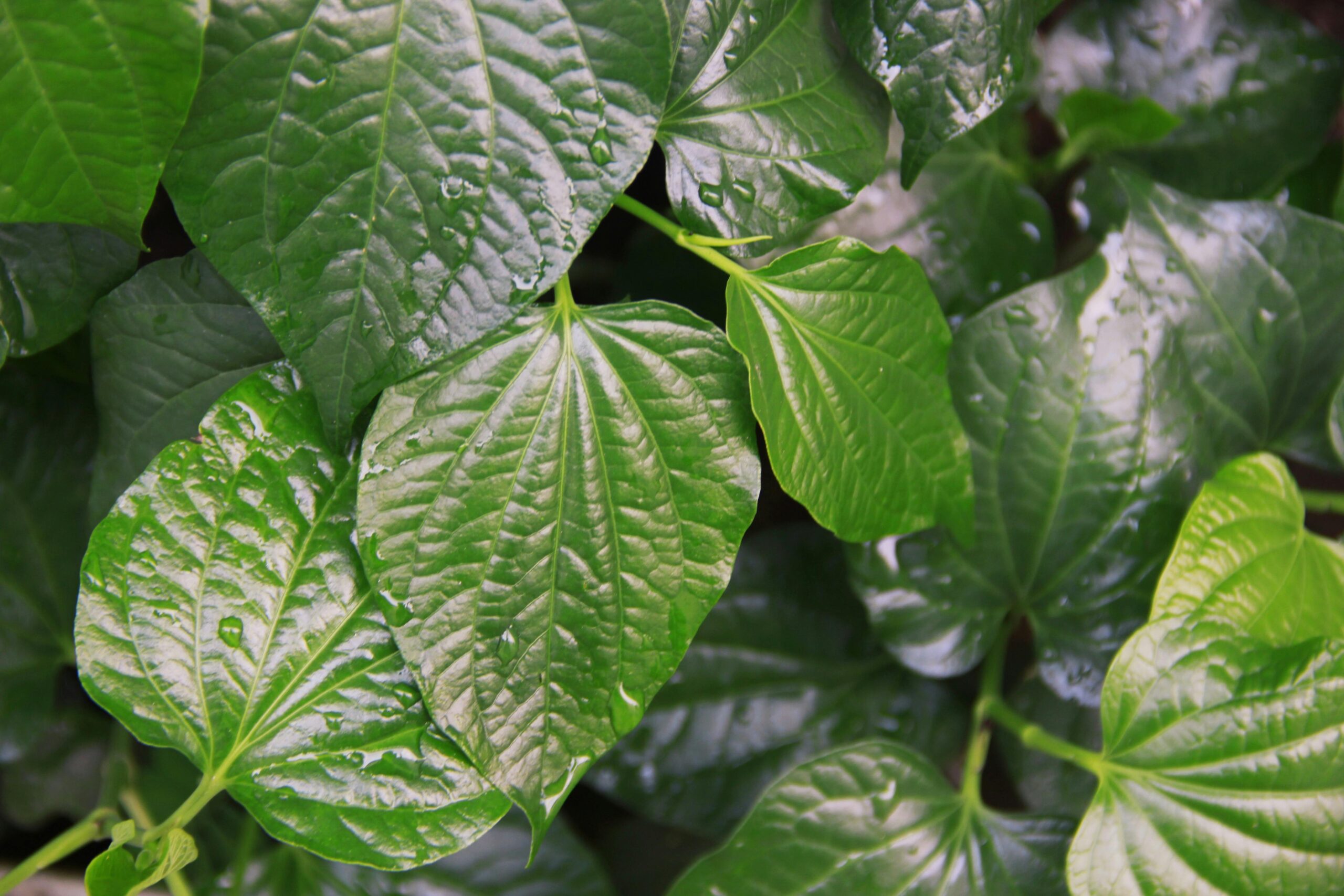
Bay leaves are a staple in kitchens worldwide, treasured for the subtle, aromatic flavor they impart to soups, stews, sauces, and many other dishes. While often removed before serving due to their tough texture, bay leaves hold more than just culinary value. Emerging research suggests they possess a treasure trove of nutrients and bioactive compounds that may promote healthy aging and overall well-being.

At first glance, bay leaves might seem modest—but packed within their leathery green foliage are essential nutrients including vitamins A and C, iron, calcium, manganese, and dietary fiber. Vitamin A plays an important role in maintaining healthy vision and immune function, while vitamin C is well known for its antioxidant properties, helping to neutralize harmful free radicals that accumulate with age.
Bay leaves are also a good source of minerals such as calcium and manganese, which contribute to bone strength and metabolic processes. Adequate intake of these minerals is vital for seniors to maintain skeletal health and reduce risks of osteoporosis.
Additionally, bay leaves contain an array of phytochemicals such as polyphenols and flavonoids. These compounds are associated with anti-inflammatory and antioxidant effects, which may help combat chronic inflammation—a common factor in many age-related diseases like arthritis, heart disease, and neurodegeneration.
One particularly notable compound in bay leaves is eugenol, a natural oil that has demonstrated antimicrobial and pain-relieving properties in various studies. Regular, moderate inclusion of bay leaves in meals could contribute to reduced microbial risks and mild alleviation of inflammatory discomfort.
For those seeking to support healthy aging through diet, incorporating bay leaves is a simple yet effective step. Their nutrient profile complements a balanced diet and adds depth of flavor without extra calories or sodium.
While bay leaves are generally safe to consume in culinary amounts, it’s important to avoid eating the whole leaf due to its toughness and potential choking hazard. Steeping bay leaves in soups or sauces and then removing them is the traditional way to benefit from their nutrients while ensuring safe consumption.
In conclusion, bay leaves offer more than just flavor enhancement—they are a natural source of essential vitamins, minerals, and antioxidants that support immune health, bone strength, and protection against oxidative stress. Including bay leaves regularly in your cooking routine may be a small but meaningful contribution to aging gracefully and maintaining vitality.



I always remove the bay leaves before eating but didn’t think about the potential health benefits they add during cooking. Thanks for the insights!
Great article! The anti-inflammatory properties of bay leaves make them a fantastic addition for those managing arthritis symptoms naturally.
Supporting bone health with such a simple ingredient is amazing. This gives me motivation to use bay leaves more regularly in my meals.
I never realized bay leaves had so many nutrients! I’ve always just used them for flavor. Definitely going to add them more often now.